The Ten O'Clock Handbrake: Inside a Club Oval's Race Against the Curfew
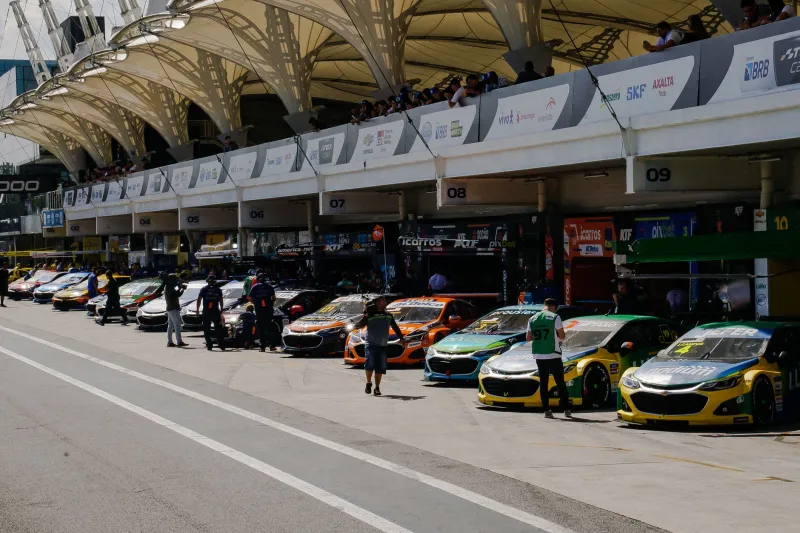
There's a moment at every club oval meeting when the mood shifts. It isn't a crash, a red flag or a surprise downpour. It's quieter than that. It's the race director looking at the watch, then at the heat sheet, then back at the watch, and doing a piece of arithmetic that nobody in the grandstand can see.
At one Midlands short-track venue this season, that moment arrived at 21:14. Eight heats left on the sheet. A curfew of 22:00 written into the track's planning consent, a noise management plan in a folder in the office, and roughly forty households on the far side of the boundary hedge who had, on the whole, been remarkably patient all summer.
What followed over the next forty-six minutes was one of the most impressive pieces of live logistics you'll see in British motorsport — and almost nobody noticed it happening.
The maths starts long before the first green flag
Ask anyone who clerked a club meeting and they'll tell you the same thing: you don't start counting at 9pm. You start counting at lunchtime.
A typical race programme is built backwards from the curfew. If the permit says engines off by 22:00, the last chequered flag realistically needs to fly by about 21:40 — because you still have to get cars off the circuit, let the graders do their work, and allow for the fact that a final will almost always throw up a stoppage. From there, the race director works out how many heats fit into the available window, and crucially, how many minutes of slack to bank for the things that always happen: a spun car needing recovery, a fence repair, a driver briefing that runs long because somebody hasn't read the supplementary regs.
One official described it to me as "running a bus timetable where the passengers occasionally set fire to the bus". Blunt, but fair.
What the neighbours actually hear
Here's the part fans in the terracing rarely think about. The sound that carries isn't the one you notice standing by the pit gate. Low-frequency engine noise travels, and on still, damp evenings it can travel a long way further than anyone at the track realises.
That's why so many clubs now keep a simple log: wind direction, temperature, and any complaints received. It sounds bureaucratic. It is bureaucratic. It's also the difference between a club that can demonstrate reasonable diligence to its local authority and one that can't.
Several promotions have gone further, investing in banks, bunds and acoustic fencing — expensive, unglamorous, and the sort of thing that never appears in a race report. One northern club I spoke to reckoned its earthworks cost more than a full season of tyre bills, and delivered precisely zero lap-time improvements. What it did deliver was a quieter relationship with the village, which in the long run keeps the gates open.
When the klaxon looms: the calls nobody enjoys
Back to 21:14. The race director had a choice, and none of the options were good.
Option one: run the full programme and risk overrunning. That means a breach of the consent, a possible visit from environmental health, and a letter that could complicate next season's application. Option two: cut heats. That means refunding entries, disappointing drivers who've towed three hours, and explaining to a sponsor why their branded heat never happened. Option three: compress the schedule — shorter warm-up laps, quicker grid formation, fewer track grades — and hope nothing goes wrong.
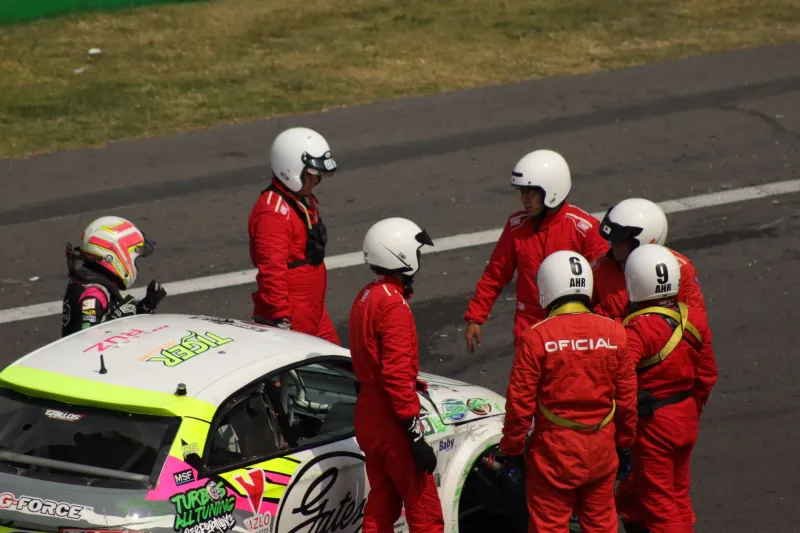
Most officials go for a blend of two and three. On this occasion, two support-class heats were amalgamated, a planned interval was scrapped, and the recovery crew were briefed to be rolling before the incident was even confirmed. It's not glamorous. It's the difference between a track that survives and one that becomes a housing estate.
The really difficult conversation, though, isn't with the drivers. It's with the resident who's been kept awake, and it usually falls to a volunteer in a high-vis jacket who has been at the track since seven in the morning.
"You can't argue with someone about their own kitchen," one club secretary told me. "You can only listen, apologise, and explain what you're going to do differently." That club now sends a short note to nearby homes before every meeting, with a phone number to ring if things get too much. Complaints haven't vanished. But they've stopped arriving as formal letters to the council.
Practical lessons for fans and officials
For supporters, a few small habits go a long way. Arrive on time — a meeting that starts twelve minutes late is twelve minutes the clerk has to find later. Clear the pit gate promptly when asked. And if you're the one who's been waiting all evening for a heat that gets cut, remember the person telling you has almost certainly been dreading the conversation for the last twenty minutes.
For officials, the seasoned ones tend to agree on a handful of things:
- Build the programme with a buffer you're genuinely willing to use, not one you'll spend at the first opportunity.
- Publish the curfew to competitors in advance, in writing, so nobody can claim surprise.
- Keep a noise log. It takes two minutes a meeting and it's worth its weight when you need to renew a consent.
- Nominate one person for community contact, and make sure it's someone who can stay calm at eleven at night.
- Talk to the parish council in January, not in July when there's a complaint on the table.
The club that lost its track doesn't come back
It's easy to treat a curfew as an annoyance — a fence at the end of the fun. But every UK club oval that has closed in the last couple of decades has left behind a patch of land that's now something else entirely, and the drivers who raced there haven't been replaced by a new generation at a new venue. They've just stopped.
So the next time the klaxon sounds and the last heat is cut, spare a thought for the arithmetic. Somebody has spent the whole evening doing sums you can't see, trying to protect a race programme and a relationship with the neighbours at the same time. That's the gig. And on the whole, grassroots oval racing is remarkably good at it.