Hose, Hunch and Hard-Won Grip: The Club Crews Who Build a Racing Surface
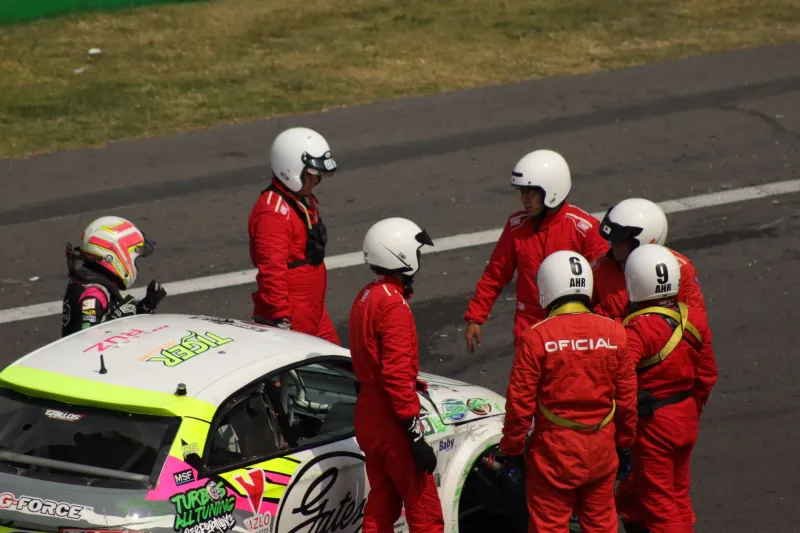
If you arrive at a club oval just as the first cars are pushed out, you might see a tractor dragging a grader, a volunteer wrestling a hose, and someone walking the bend with the concentration of a snooker player. To the casual punter, it looks like groundwork. To anyone who has spent a season on the bank, it is the first race of the night.
Track preparation is not housework. It is tactics. The surface decides where a driver can put a wheel, how early they can get on the power and whether a brave outside line is a shortcut or a one-way ticket to the fence. And at grassroots level, the people making those decisions are usually volunteers in hi-vis, not a team of full-time engineers with a laptop and a weather radar.
More Than a Splash and a Scrape
A water bowser is not a fire hose. It is a seasoning tool. Too little water and the shale goes dusty, the surface loses its bind and the racing line turns into a skating rink of loose stones. Too much and the track balls up, the shale sticks to tyres and the grip that was there in practice disappears by the first heat. The trick is not simply making the surface wet. It is making it consistent.
That is why you will see track crews watering in patches, not just blasting the whole circuit. A bend that has been baked by the afternoon sun will drink differently from a shaded back straight. A corner where cars have been scrubbing speed all evening will need a different touch from a straight where they are flat out. The best crews are not following a recipe. They are reading the track like a driver reads a gap.
Reading the Shale Before the First Heat
Walk the track with an experienced club official and you will hear a different language. They talk about the cushion, the dry line, the bottom, the top, whether the shale is carrying or cutting. They will pick up a handful and rub it between their fingers. They will look at the colour, the dust and the way the surface holds a footprint. It looks like quiet fussing. It is actually a form of forecasting.
On a cold November morning, the shale can be damp and heavy, and the track might need a light grade rather than a soaking. On a dry summer evening, the opposite can be true. The surface may need water early so it can be worked in before the crowd arrives. Timing matters as much as volume. Water put down too late sits on top and makes the track greasy. Water worked in properly gives the shale a chance to bind and give drivers something to lean on.
Why Water Changes Everything
For fans, track conditions can look like an excuse. For drivers, they are the whole picture. A slick, dry surface can reward a smooth, disciplined line and punish anyone who overdrives. A wet, heavy surface can make the high line work, because the cushion is doing more of the job than the tyre. A track that has dried out in the middle of the meeting can turn a comfortable leader into a sitting duck, especially if the crew has not kept on top of the inside line.
The result is that the same driver, in the same car, can look ordinary in heat one and untouchable in the final. That is not always a mysterious set-up breakthrough. Sometimes it is simply that the track came to them. A crew that keeps the surface alive gives everyone a chance to race. A crew that lets it go dusty or greasy can turn a good meeting into a follow-the-leader procession.
The Grader Is a Steering Wheel
The grader is the other half of the equation. A blade angle that is too aggressive can peel the good shale off the racing line and push it to the fence. Too gentle and the ruts and holes stay in place, waiting to catch someone out. Grading is not about making the track look tidy for the spectators. It is about redistributing the material so the surface has a chance to stay even.
That is why a good track man will often grade before the meeting, again between heats if needed, and sometimes after the last race when everyone else is packing up. It is repetitive, physical work, and it is easy to take for granted until the surface goes away. The clubs that get it right tend to have someone who has been doing it for years, who knows how the shale behaves when the wind picks up or when the temperature drops.
The Quiet Experts in the Hi-Vis
At grassroots level, these are often the same people who sell the programmes, park the cars and sweep the pits. They are not chasing credit. They are chasing a racenight that works. The clerk of the course may make the final call, but the track crew are the ones with their boots in the shale, feeding information back before the first green flag.
In 2026, with costs still biting and club volunteers harder to find than ever, that knowledge is worth protecting. A new volunteer can learn to pull a hose. Learning when to pull it, and how much, takes longer. The best clubs pass that wisdom on quietly, one wet patch at a time.
What Fans Can Learn From a Wet Patch
Next time you are on the bank and the tractor comes out, watch where the water goes and how the crew work the surface. Then watch the next heat. You will start to see the racing line change, the brave ones move up, the smart ones bide their time. The track crew are not background staff. They are part of the show, shaping the grip that makes club oval racing so unpredictable and so worth standing out in the cold for.