Sold, Stripped or Shelved: The Long Winter of a Grassroots Oval Car
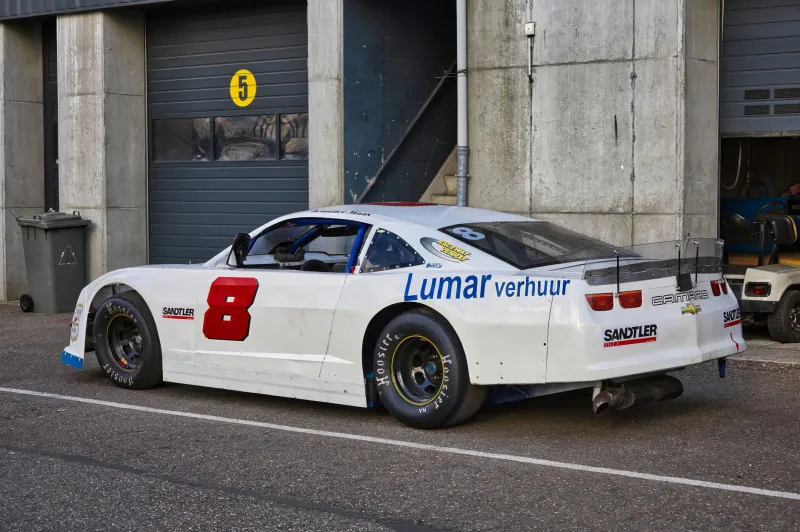
The last race of a club oval season ends with a burst of noise, a wave from the starter and a slow crawl back to the paddock. Then the gates open, the tow ropes come out and the cars disappear into the dark. But the final chequered flag doesn’t end a grassroots oval car’s life. It just starts a quieter chapter — one played out in lock-ups, on driveways and in the classifieds.
Across the UK, from the shale and tarmac ovals that run Brisca formulas to the independent club meetings that keep short-track racing ticking over, the winter is when cars change hands, change shape or change purpose. Some are rebuilt for another campaign. Some are sold to a nervous rookie. Some are stripped for parts before the season’s mud has even dried. And a few are parked under a tarp while their owner decides whether to mend, miss or move on.
The Winter Shed: Rebuild, Reprieve or Reality Check
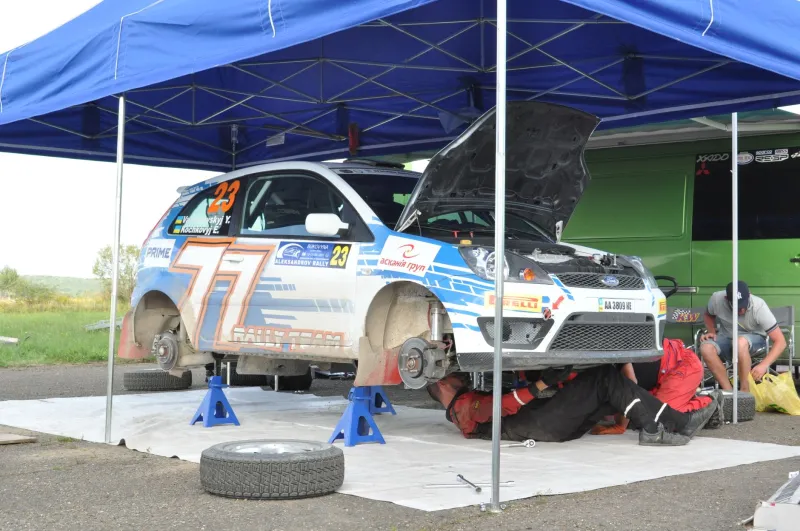
A club racer’s winter starts with a mug of tea and a torch. The car is jacked up, the wheels come off and the inspection begins. Is the shell straight? Is the axle tired? Is the gearbox whining louder than it was in July? The answers decide the car’s future more than any race result.
For many owners, the winter rebuild is a ritual. Panels come off, the welder comes out and the parts catalogues get a second look. A car that finished the season on three cylinders might be a straightforward fix — a valve, a gasket, a length of loom. But a car with a twisted shell and a cracked bell housing is a different conversation. That’s when the maths starts: what will it cost to put right, and what is it worth as a going concern?
Grassroots oval racing has always been a practical sport. A car is not a museum piece; it’s a tool. If the tool still works, you sharpen it. If it doesn’t, you either sell it to someone who can sharpen it or you break it for the bits that still do.
The Rookie Market: A First Car With a Paper Trail
When a racer upgrades — or steps away — the car often goes up for sale. And in club oval circles, a used race car carries a kind of history that a showroom model never will. The good ones come with a folder of receipts, a list of meetings and a reputation. Buyers want to know: has it been straightened? What axle is in it? Does it pass scrutineering without a fight?
For a newcomer, buying a proven car is often the difference between joining the grid and watching from the fence. A well-known car from a local club can be worth more than a cheaper mystery shell, because the rookie is not just buying steel and safety kit — they’re buying a head start. They’re buying the setup notes, the spare wheels and the advice that comes with the handover.
That handover is usually informal. A garage, a kettle and a quiet word about tyre pressures. The seller points at a dent in the rear quarter and says, “That’s from Buxton, don’t worry about it.” The buyer nods, loads the car on a trailer and drives home with a mixture of excitement and blind terror. The car has a new owner, a new number and the same old scars.
The Donor Clause: When a Racer Becomes a Parts Bin
Not every car gets a second season. Some are simply too tired. That’s when the breaker’s yard of club racing takes over — not a scrapyard in the traditional sense, but a shed or a corner of a yard where a car is dismantled with care. The gearbox might be worth more than the shell. The axle, the wheels, the seat, the fuel cell, the ignition system: all of it can live on in other cars.
This is the donor clause of grassroots oval racing. A car that has reached the end of its racing life doesn’t vanish; it becomes a shelf of maybes. The shell might go for scrap, weighed in at a few hundred quid, but the good bits keep three other cars on the grid. In a sport where budgets are tight and parts are scarce, cannibalisation isn’t cruelty — it’s conservation.
There’s an emotional side to it, too. Owners get attached. A car that has carried them through a dozen meetings, a rollover and a rainy night at Mildenhall isn’t just metal. But racers are also realists. When the time comes, they’ll strip it, label the parts and move on. The car’s story doesn’t end; it gets distributed.
The Handover: Keys, Kettle and a Quiet Word
Whether a car is sold complete or broken for spares, there’s usually a moment of handover. The seller walks the buyer around the car, pointing out the quirks. The brake bias needs a tweak when it’s wet. The rev counter lies. The left rear tyre is the one to watch. It’s not a formal induction; it’s a conversation between two people who understand what the car has done and what it might do next.
Then the trailer pulls away, and the seller is left with an empty space in the shed and a few extra pounds in their pocket. The buyer is left with a project, a responsibility and a season to plan. The car itself is just glad of a dry night.
The Car That Never Really Leaves
At club ovals, cars are not consumer goods. They are members of a convoy. They pass from owner to owner, from formula to formula, from race car to spares donor and sometimes back again. The last lap after the last lap is the one where a car teaches someone else how to do it — through a handover, a spare part or a scrap of setup advice.
So when the gates close for winter, don’t assume the story is over. Somewhere, a rookie is wiping down a second-hand shell. Somewhere, an axle is being fitted to a different car. And somewhere, under a tarp, a club oval car is waiting for the first practice in March. It’s not retired. It’s just between laps.