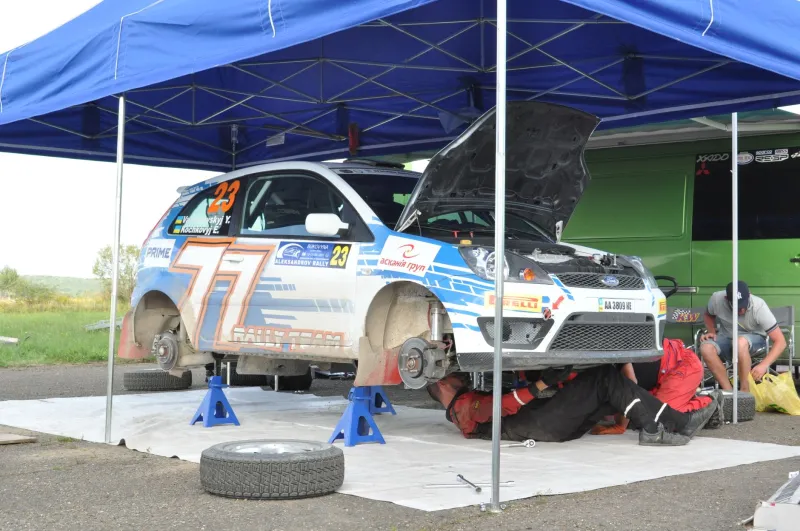
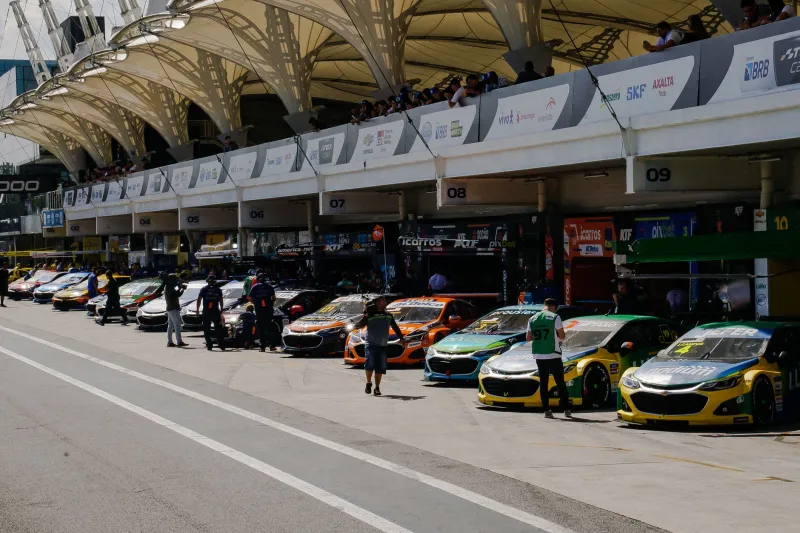
The Hand That Holds the Meeting: Life as a Grassroots Oval Starter
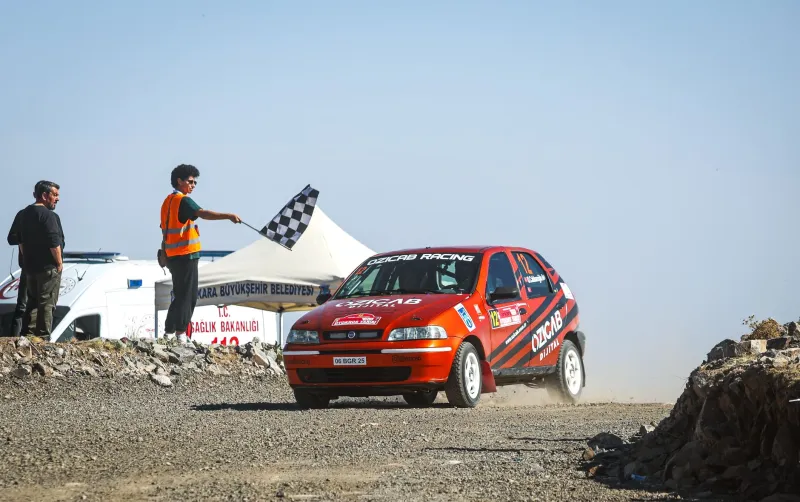
The cars are already rolling. Engines are blipping, crews are still taping wings, and the clerk of the course is asking for a grid that looks nothing like the programme. On the infield, a volunteer in a high-vis jacket lifts a green flag and waits. That pause — usually no more than a few seconds, sometimes much longer — is where a club oval meeting either finds its rhythm or loses it.
More Than a Flag
At grassroots level, the starter is rarely a paid official with a motorhome and a sponsor board. They are the club secretary’s mate, a retired racer, a marshal who has done every job on the bank and finally got talked into the middle. They know the drivers, the cars and the noise a tired gearbox makes. They also know that the flag is only the visible part of the job.
A starter’s real toolkit is a radio, a pair of eyes and a feel for the room. Before the green comes out, they are listening to the clerk of the course, watching the marshals’ hands, checking the lights and counting cars. If a novice is still settling into the grid, if a bonnet pin has popped, if a marshal is walking back to post, the starter holds. That call is not indecision. It is the whole meeting being kept out of trouble.
Reading a Ragged Grid
Club grids are not always the neat two-by-two formation of a televised final. They are often a bit raggedy: a late arrival at the back, a car that needs a push, a driver who has never done a rolling start before. The starter has to work out whether the field is merely untidy or genuinely unsafe.
“You’re looking for eyes,” one long-serving starter told me at a Midlands short oval last season. “If the front two are looking at the flag, the middle is settled and the back isn’t still doing up a strap, you can go. If someone’s head is down in the cockpit, you wait.”
That judgement is built on familiarity. Starters learn which drivers need a beat longer, which crews will wave you on, and which novice will appreciate a second chance to line up. They also learn the sound of impatience. A field that has been waiting too long will start creeping, revving and shuffling. The starter feels that pressure as much as anyone.
The Split-Second Call
Dropping the green is a decision made in motion. Too early and you get a jump start, a first-corner pile-up or a driver caught napping. Too late and you get overheating engines, frustrated racers and a curfew clock that suddenly feels very close.
Weather sharpens everything. A damp patch on the exit of turn two, low sun over the back straight or a sudden drop in temperature can change what a clean start looks like. The starter is not just releasing cars; they are releasing them into a surface that may have changed since the last race.
Radio calls matter as much as the flag. The clerk of the course may want the field held for a marshal on the track, a delayed car or a red-flag situation resolving elsewhere. The starter’s job is to translate that chatter into a single, clear signal. When the green finally drops, it should feel inevitable to the drivers and invisible to the crowd. That is the craft.
Choreography, Not Chaos
A clean first lap often looks like chaos from the bank: cars fanning out, elbows out, a puff of shale or a squeal of tarmac. But the best starts are choreography. The starter sets the tempo, the drivers pick it up, and the marshals keep the edges safe. When it works, nobody mentions the starter. When it goes wrong, everybody does.
That is why the role deserves more than a passing nod. Club ovals run on volunteers, and the starter is one of the quiet linchpins — part official, part diplomat, part weather watcher. If you fancy a different view of the sport, ask your local club whether they need a hand on the flag. You will never watch a green light the same way again.