The Clipboard Doesn’t Lie: How Talent Spotters Read a Club Oval Night
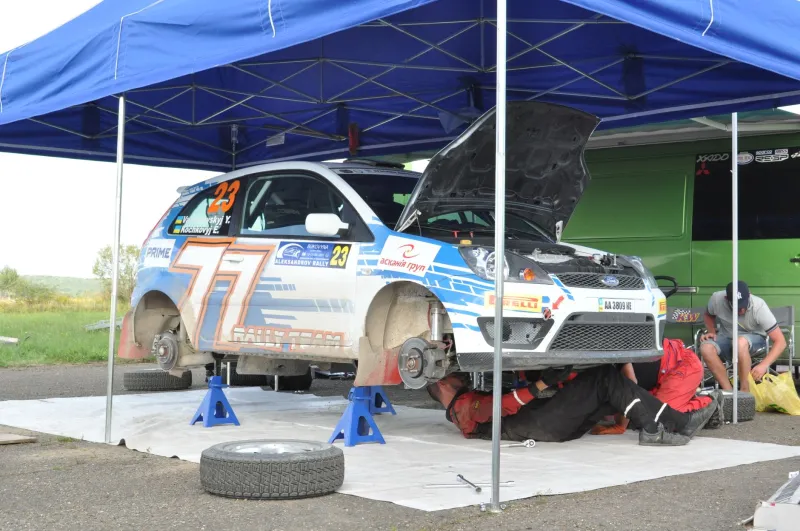
There is a certain look to a club oval paddock on a cold Saturday night. Steam off a thermos, a burger van doing steady trade, someone wrestling a trolley jack in the dark, and a fella in a padded coat making notes on a clipboard. That clipboard is not always a marshal’s report. Sometimes it belongs to someone from a higher series, a representative squad or a team that is quietly building a list of names for next season.
Grassroots oval racing has always been a scouting ground, even if nobody calls it that. The best spotters are not looking for the finished article. They are looking for clues. A driver who can read a race, look after second-hand steel and hold a sensible conversation in the queue for scrutineering is often more interesting than the one who has spent the most on tyres.
They Are Not Just Watching the Leader
A club meeting can look chaotic from the bank, but the people with notebooks are usually watching patterns. Lap times matter, of course. You cannot ignore raw pace. But pace alone is a poor guide at this level, because a fast car can hide a driver who makes poor decisions in traffic.
So what gets noted? Racecraft, mostly. Does the driver make a clean pass or lean on someone and hope for the best? Can they defend a place without turning every corner into a rolling roadblock? Do they know where their car is when three others are trying to go round the outside? A spotter will remember a racer who avoided a first-lap pile-up because they had already worked out where the gap was going to close.
Mechanical sympathy is the other big one. Club cars are often tired, patched up and built from whatever was in the shed. A driver who finishes races, listens to the car and can explain why the back end went away after six laps is showing something valuable. Teams want people who can bring a car home, not just people who can be quick for four laps before the engine lets go in a cloud of smoke.
The Quiet Mid-Pack Drive That Speaks Volumes
Here is the sort of night that makes a notebook useful. A driver starts twelfth in a field of eighteen. They do not win. They do not set the fastest lap. But they gain five places, avoid the mid-race shunt that takes out two quicker cars, and bring a slightly smoky motor home in seventh. In the paddock they are already talking about a carburettor issue and asking a neighbour for a spare gasket. That is a good night’s work.
A trophy can hide a messy performance. A tidy fifth can reveal a racer. Spotters know that club racing is full of quick cars with untidy drivers, and steady drivers with ordinary cars. If the notebook says ‘made progress, no contact, finished, sensible feedback’, that carries weight.
This is also why a quiet drive is not wasted. Not every racer is going to be fighting for the win every week. The ones who understand that, and still race hard and fairly, tend to get remembered.
What the Notebook Actually Records
Nobody is carrying a magic formula around, but the same themes turn up again and again. Pace is one line. Racecraft is another. Reliability sits right next to it. Paddock attitude gets a mention, even if it is scribbled in the margin. Can they take a bad result without blaming the referee, the tyres, the track, the weather and the bloke who built the engine?
Spotters also watch how a driver communicates. If they are asked what the car was doing through the middle of a corner, can they give a straight answer? Or do they just say it was rubbish? Teams are not expecting a data engineer at a club oval. They are expecting someone who can describe a problem clearly enough to help fix it.
And yes, presentation matters a little. Not the paintwork or the graphics. The basics. Is the car scrutineer-ready? Are the wheels checked? Is the driver’s kit tidy? Does the machine look like it has been maintained, even if it is built from second-hand parts? Those things suggest a racer who will not be a weekly headache.
Getting Noticed Without a Big Budget
The good news is that you do not need a new chassis, a branded race suit and a social media manager to catch an eye. You need to be reliable, visible and easy to work with. Finish races. Enter the bigger club meetings when you can. Say hello to people. Ask sensible questions after the meeting rather than waving a phone in someone’s face while they are loading the trailer.
A simple driver profile helps, too. Nothing fancy: name, class, car, home club, what you have raced in 2026 and what you are planning for 2027. If a spotter has written your number down, they should be able to find out who you are without a three-hour internet hunt. A clear photo of the car and a few results will do more than a flashy website with no content.
It also pays to be honest about your budget. Teams know club racing is expensive. Pretending you have unlimited backing is not a good look. Telling someone you are running second-hand tyres and doing your own spannering is not a weakness. It tells them you understand the reality of the sport.
The Paddock Is Part of the Interview
A club oval is a small place. Word travels. If you borrow a tool and return it, people notice. If you help a rookie get through scrutineering, people notice. If you spend half an hour moaning about another driver in earshot of everyone, people notice that too.
Spotters are not just assessing a driver. They are assessing whether that person will fit into a team, a squad or a higher-level paddock. Talent gets you a conversation. Attitude gets you a second one.
So the next time you see someone with a clipboard at a club meeting, do not panic and do not start performing for the bank. Just race the way you would want to be remembered: clean, thoughtful and quick enough to matter. The notebook is not looking for perfection. It is looking for someone worth a second look.