The Raffle Ticket That Keeps the Shale Turning: A Club Oval’s Race-Night Economy

At 5.42pm on a wet Saturday in October 2026, the track office at Barrowfield Raceway smells of diesel, instant coffee and damp programme boxes. The first cars are already queuing at the gate. The treasurer is counting a £250 float into a tin that has seen better decades. Outside, a volunteer in a hi-vis jacket is squeegeeing water off the signing-on table. Nobody is talking about prize money. They are talking about whether the meat raffle will cover the medical bill.
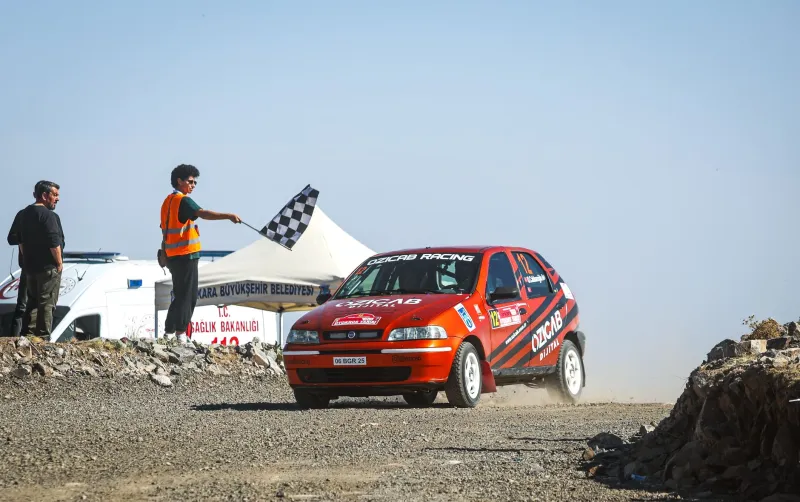
Barrowfield is a shale oval tucked behind a farm supply yard in the East Midlands. It runs maybe 18 meetings a year, mostly club-level short-track and speedway-style classes. It is not glamorous. There is no corporate box, no big screen, no paid marketing team. There is a wooden hut selling tea, a programme that costs £2, and a PA system that occasionally picks up a taxi firm. Yet the club survives. To understand why, you have to follow a single race night's money — not just the gate, but the raffle tickets, the sponsor boards and the unpaid hours that never appear on a balance sheet.
The float, the gate and the £10 note
By 6.15pm the gate is open. Adults pay £10, concessions £6, under-12s free. The club has budgeted for 500 paying spectators. The weather forecast has other ideas. A band of rain is due at 7pm, and the car park is already soft. The gateman reckons 300. The treasurer writes the figure down without flinching. She has seen worse.
Gate money is still the biggest single income line on a normal night. On a good meeting it can be £4,000 or more. On a wet one it can fall by a third. Programme sales add a few hundred; the 50/50 draw adds a bit more; the meat raffle — £1 a strip, prizes from a local butcher — is often worth £150 to £250. It sounds small. It is not small when the medical cover bill is due.
Sponsorship is patchy but vital. A tyre fitter pays £300 to put its name on a heat. A farm shop covers the cost of the trophies. A local pub sponsors the best-presented car and gets its logo on the programme. None of it is life-changing. All of it is the difference between a club that runs and a club that cancels.
The bills that don't check the forecast
A race night costs money before a single wheel turns. Medical cover for the evening runs to several hundred pounds. Insurance is paid annually but has to be earned back meeting by meeting. Officials — the clerk of the course, stewards, scrutineers, flag marshals — are mostly volunteers, but travel expenses and the odd paid specialist still add up. There is sanctioning, prize funds, shale, water, fuel for the tractor, electricity for the floodlights, and the small matter of replacing the fence post that got rearranged last month.
Wet weather makes everything more expensive. The track crew uses more shale and more water, then more shale again when the surface starts to break up. Recovery trucks burn diesel pulling cars out of the soft stuff. If the meeting is abandoned, the club may still owe medical cover, officials' expenses and insurance. The gate is smaller, the costs are larger, and the raffle has to work harder.
On this particular night, the crowd settles at just over 300. Gate takings land around £2,700. Programmes bring in £340. The 50/50 makes £160. The meat raffle, helped by a late surge from the back of the grandstand, clears £230. Catering profit — tea, burgers, chips — adds £320. Sponsorship for the meeting is £600. Total income is roughly £4,350.
The costs are roughly £2,600 before loan repayments: medical cover, officials' expenses, sanction fee, shale and water, fuel, electricity, prizes and a contingency for the recovery truck. The club is also paying down a loan on a second-hand shale truck and the perimeter fencing. That adds another £850. The meeting has not lost money. It has made a few hundred pounds — if you ignore the volunteer labour.
The volunteer subsidy
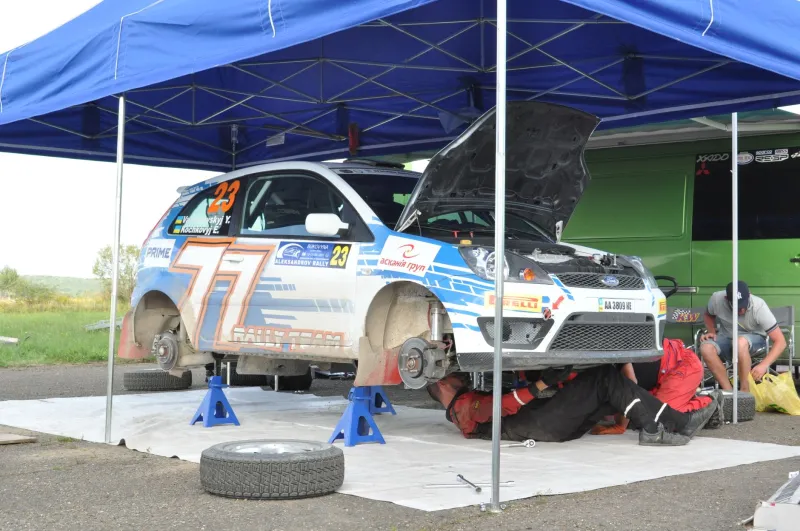
You cannot ignore the volunteer labour. The track crew arrives at 8am to grade and water. The gate staff, the programme sellers, the burger van crew and the raffle ticket sellers are all members or parents or people who have been coming since they were kids. The same people spanner until midnight when a car needs a new hub. If they were paid the minimum wage, most club meetings would be loss-making. That is not a complaint. It is the business model.
The meat raffle is not a quaint tradition. It is a revenue line. The sponsor board is not decoration. It is working capital. The programme is not a souvenir. It is a small, reliable profit centre. Grassroots oval racing survives on dozens of tiny margins, and the people who protect those margins are usually the ones with grease under their fingernails.
The morning after
By 10.30pm the last race is run and the rain has settled in. The crowd drifts out. The track crew stays to pack away the water bowser and count the takings. The treasurer balances the tin against a spreadsheet that has more tabs than a Transit van. The meeting has cleared a few hundred pounds. It will go towards the insurance renewal, the winter work parties and the next set of tyres for the club's loaner car.
Barrowfield is not unusual. Most club ovals in the UK run on the same mix of gate money, raffle tickets, local sponsors and stubborn volunteers. The mortgage — or the loan, or the insurance bill, or whatever the club calls its version of the mortgage — does not care about the weather. The people who pay it are the same people who spannered until midnight. That is the real economy of the club oval. And it is why a £1 strip of raffle tickets is worth more than its face value.