No Camera Crew Required: Why the Club Oval Is Already the Best Show in Town
There is a familiar way of talking about club oval racing in the UK. It goes something like this: this is where the next big thing will come from, this is the breeding ground, this is the first rung on the ladder. All of that may be true for a handful of drivers. But it misses the point for almost everyone else in the car park.
The club meeting is not a waiting room. It is the main event. And the sooner fans, promoters and the motorsport media stop measuring it by how close it sits to national fame, the sooner we can enjoy it for what it actually is: a brilliant, noisy, deeply local night out with racing that matters to the people watching it.
Stop calling it a feeder series
Grassroots racing gets sold as a stepping stone so often that people start to believe the only reason to attend is to spot someone who might leave. That is a strange way to judge a sport. Nobody stands at a non-league football ground saying the real action is somewhere else. Nobody watches a village cricket match and complains that the players are not on television. Yet short-track and speedway-style club racing is constantly framed as a warm-up act for a bigger stage that most attendees have no particular desire to reach.
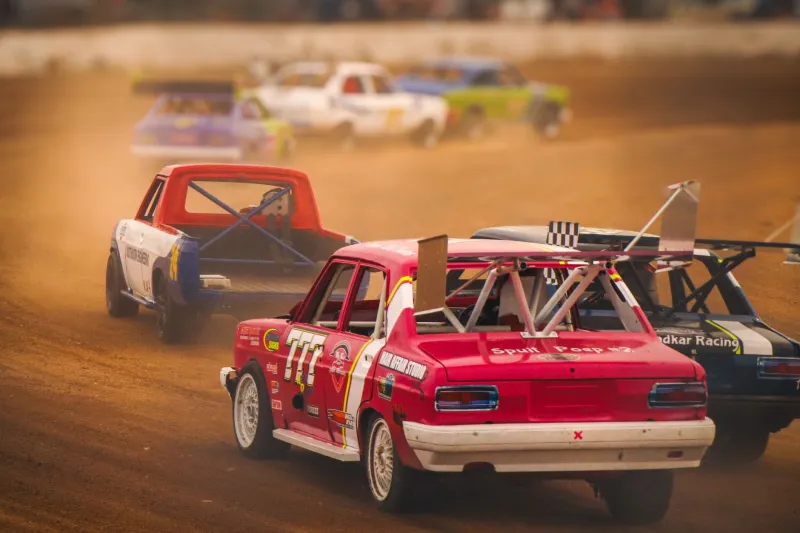
The truth is that the club scene has its own stories, its own history and its own standards. A driver who has raced the same track for fifteen years is not a failed superstar. They are a local champion with a car built in a shed, a family crew and a score to settle with the bloke two gates down. That is not a lesser version of the sport. It is a different version, and it is worth covering on its own terms.
The fence, the smell, the half-time raffle
A Saturday-night oval has an atmosphere you cannot manufacture in a studio. There is the smell of hot oil and burgers, the crackle of a tired PA system, the bloke in the next row explaining the rules to his mate, and the moment the whole crowd leans forward as the pack comes through the final bend. The racing is often close because the track is small, the grids are mixed and nobody is saving tyres for a championship decider three months away.
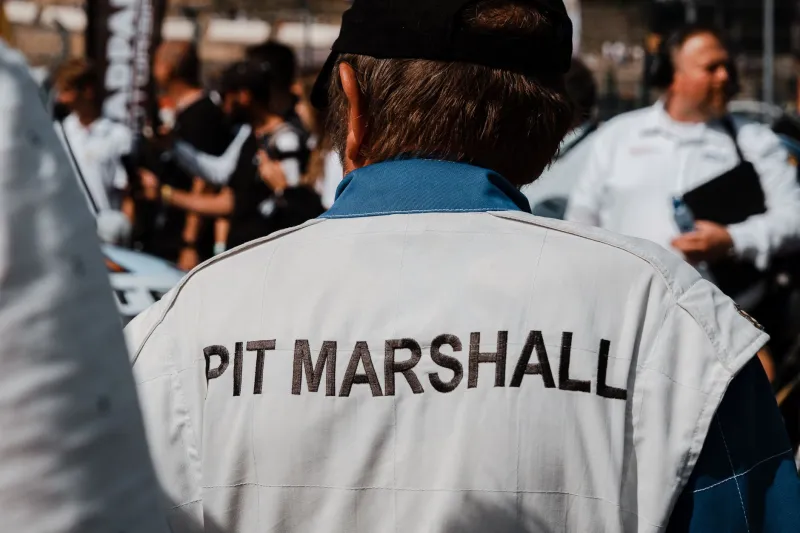
Then there is the stuff that never makes a highlights reel: the raffle, the clubhouse tea, the volunteers on the gate, the marshal who has been standing in the same spot since midday. These are not side details. They are the reason people come back. A club meeting feels like a place you belong, not a product you consume. That is a rare thing in modern sport, and it deserves better than being treated as a footnote to somebody else's ladder.
Rivalries with postcodes
What grassroots oval racing has that big-time motorsport often lacks is genuine local needle. These are rivalries built on postcodes, families, workmates and years of small grudges. The driver from the next town is not an abstract rival. He is the fella who took the last podium place at the club dinner, or the one whose dad used to race against your dad. When those two line up on the grid, the fence knows about it.
That kind of rivalry does not need a TV contract to be intense. It needs a full car park, a decent burger van and a few hundred people who know exactly what is at stake. The media often turns up looking for a national angle when the real angle is standing in the pit lane with a spanner in his hand and a burnt eyebrow.
Pits you can walk through
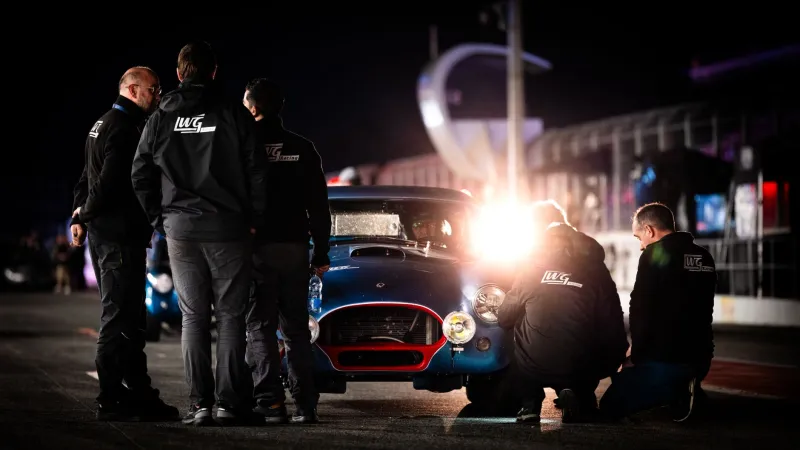
One of the great joys of club racing is access. At many meetings you can wander through the pits, look at the cars, chat to the crews and see the work that goes into getting a battered hatchback or a purpose-built stock car back out for the next heat. Try doing that at a national series. The accessibility is not a gimmick. It is part of the sport's identity. It makes heroes approachable and it makes the racing easier to understand.
For a new fan, that matters. You can ask a silly question and get a proper answer. You can see the damage, the tape, the cable ties and the sheer stubbornness that keeps grassroots racing alive. You leave knowing not just who won, but why it was hard.
What proper coverage should look like
If we are serious about covering grassroots oval racing, we should report it like a destination, not a curiosity. That means race reports with names and details, driver profiles that take club competitors seriously, fixture lists that help people plan their weekends and features that explain the culture without patronising it. It means treating a club final as a proper final, because to the people in the pits it is exactly that.
It also means challenging the idea that the only good story is the one that ends in a national series. Sometimes the best story is the driver who rebuilt a car in a week, the teenager who finally beat their mentor, or the promoter who got forty cars through scrutineering before the rain came. Those stories do not need a camera crew. They need someone to write them down.
The main event is already here
The club oval does not need to be rescued by television. It needs to be seen clearly. It is already loud, already close, already full of characters and already capable of making a cold Saturday night feel like the best place in Britain. The main event is not down the road. It is right in front of you, behind a fence, with a programme in your hand and a heat race about to go green.
So next time someone tells you it is only grassroots, tell them that is the point. The roots are where the good stuff grows.