Spanners Before Silverware: A Grassroots Racer's Winter Checklist for 2026/27
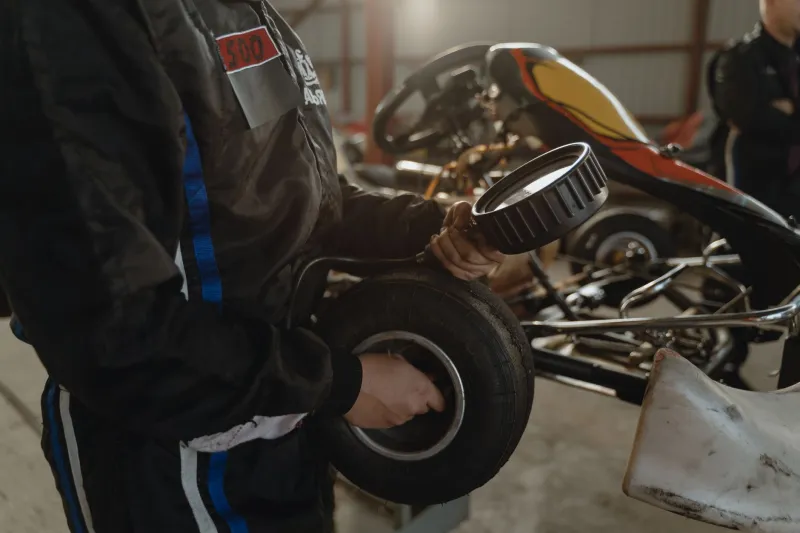
The last chequered flag of 2026 has barely stopped waving before someone in the paddock says the words every grassroots team half-dreads: 'we'll sort it over winter'. Then winter actually happens. The shed gets cold, the tarp goes on, and suddenly it's the middle of February and you're bleeding brakes with a torch in your teeth while the first meeting of 2027 looms.
The trick is not to be that person. The off-season is the cheapest time you'll ever spend on your car, because nothing is urgent yet. Here's a sensible, budget-first order of work for the next few months — the sort of list that keeps a club-level short-track or speedway outfit on track without a workshop bill that makes your eyes water.
Start with the things that stop you, not the things that go faster
Everyone wants to talk about the new engine or the shiny wing. Resist. A car that won't stop is a car that won't start.
Brake lines first. Brake fluid is hygroscopic — it pulls moisture out of the air — and that water sits in the calipers and the lowest points of the system, quietly corroding from the inside. If the fluid in your car is more than a season old, flush it. A litre of decent DOT 4 costs less than a takeaway for two, and a set of copper-nickel lines is one of the best value purchases in motorsport. Check every flexi hose for cracks and bulges, especially near the calipers where heat cycles do their worst. Look at the master cylinder for weeping seals, and make sure the pedal feels firm before you touch anything else.
Then pads and discs. Glazed pads can be scuffed up; cracked discs cannot be saved. And while you're in there, check the wheel studs and nuts for stretched threads. Cheap to replace now, expensive to explain to a scrutineer later.
Fuel systems: the quiet killer of spring test days
Old petrol is a menace. It gums up jets, varnishes the inside of carburettors and leaves you chasing a misfire that isn't electrical at all. Drain the tank, run the engine until it stops if you can, and get fresh fuel in before the first practice. If your club runs methanol, flush the system thoroughly — leaving it sitting is asking for corrosion.
Change the inline filter, check the pump, and have a proper look inside the tank with a torch. Rust flakes are easier to deal with on a bench in January than in the collecting area in March. While you're at it, check the fuel lines for perishing and make sure they're clipped properly. And yes, check the fire extinguisher in the trailer. It's the one thing you hope never to use.
Wiring and trailer electrics: the job nobody wants
Nobody enjoys electrics, which is exactly why they get neglected. Start with the trailer: a seven-pin plug with a dodgy earth will have your indicators doing a disco impression on the M6. Chop off the scotch locks — they're a false economy — and solder and heat-shrink the joints properly. Check every light, including the number plate lamp, and carry spare bulbs and fuses.
On the car, look for chafed wires near the bulkhead, corroded earths and anything zip-tied too close to a heat source. A basic multimeter is about fifteen quid and will pay for itself the first time you're chasing a dead ignition circuit at 10pm.
Suspension, bearings and rose joints
Jack the car up and grab each wheel at twelve and six, then three and nine. Any clunk or wobble means investigation. Wheel bearings, track rod ends and rose joints all wear, and all are far cheaper than the damage a failure causes. Grease everything with a nipple, check for cracked welds around suspension mounts, and go round the car with a torque wrench and a paint pen.
This is also the time to look at the chassis properly. Clean it, get it under a decent light, and look for cracks you've been ignoring since July.
Safety kit and the paperwork nobody reads
Harnesses fray, seats crack, and helmets have a shelf life. Check the date stamps on your helmet and belts, look at the mounting plates and backing washers, and replace anything that looks tired. A scrutineer will spot it in seconds, and they're doing you a favour.
Then the boring admin: club membership, championship registration, licence renewal and insurance. Doing it in December beats doing it the night before the first meeting.
Sort the spares mountain
Empty the trailer onto the driveway. Bin the rubbish, label the consumables, and build a proper spares box: bearings, bolts, cable ties, jubilee clips, brake fluid, tape, rags, gloves. Photograph the contents and keep the list on your phone. You'll thank yourself at the first away meeting.
A realistic plan beats a heroic one
Don't try to do everything in one weekend. Pick one job per weekend from now until February. Budget for the essentials first, and talk to your club's scrutineers before you spend money on anything you're unsure about — most will happily tell you what they'll be looking for.
Do that, and when the 2027 season opens you'll arrive with a car that starts, stops and passes scrutiny. Silverware is a bonus. Finishing the meeting is the point.