The Quiet Handshake Behind the Roar: How Club Ovals Stay Friends With the Village

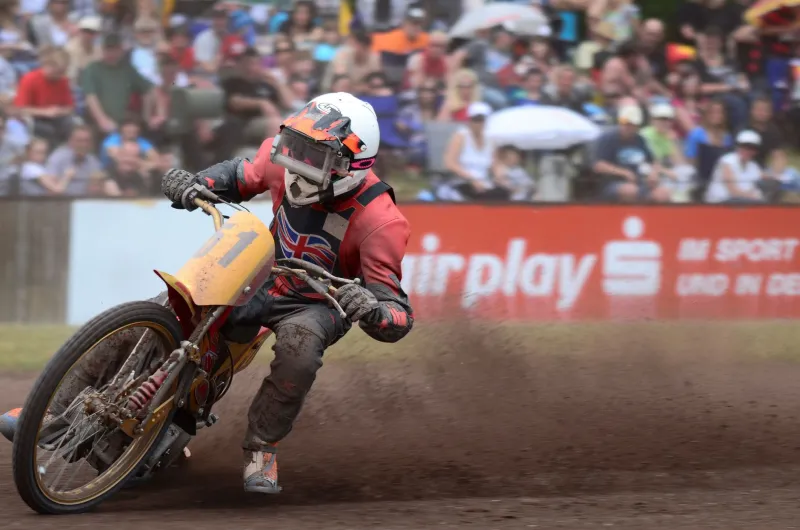
On a damp Friday in November 2026, the sound of a club oval carries farther than anyone on the bank would like. From the pit gate you hear the clatter of tools, the thump of a bonnet, the first bark of an engine. Half a mile away, in a village kitchen, someone hears the same noise through double glazing and wonders how long it will go on. That gap—between the roar the fans love and the rumble a neighbour tolerates—is where the modern grassroots oval actually lives.
The first thing you hear is the phone
Before the first heat, there is often a call. Not to the council, not to environmental health, but to the person who might otherwise reach for the phone. A promoter at a short-track club in the Midlands says the routine is simple: a heads-up to the parish clerk, a text to the nearest farm, a note on the village Facebook group. Not asking permission. Just saying: we are running tonight, we expect to finish by half ten, and if we are running late we will let you know.
That sounds small. It is not. Most noise complaints are not really about decibels. They are about surprise. A race night that ends when it said it would is easier to live with than one that rumbles on past the point where a neighbour has mentally switched off. The well-timed phone call is cheaper than a complaint and far cheaper than a planning battle.
Rules on paper, manners in practice
Planning consent sets the hard edges: a curfew, a boundary noise level, sometimes a cap on the number of meetings. Environmental health can turn up with a meter. Scrutineering can check a silencer. But a noise management plan is only paper until people decide to honour it.
At club level, that means volunteers walking the boundary with a meter during the noisiest class. It means crews repacking silencers even when the car sounds fine to them. It means the start marshal keeping half an eye on the clock, not just the first corner. The curfew is not a target to be squeezed. It is a fence, and the sensible clubs stay a good few feet back from it.
Silencers, schedules and the earlier last lap
The practical fixes are rarely glamorous. Mandatory silencers. Repackable cans. Engine restrictions in junior formulas. No unsilenced warm-ups before a set time. A PA system turned down a notch when the wind is blowing towards the houses. Some clubs run the noisier classes earlier in the programme and save the quieter stuff for the back end of the night.
Scheduling matters just as much. Starting half an hour earlier can save the whole evening. Shorter practice sessions, fewer track grades after 9pm, a firm finish time for the last race—all of it buys goodwill. One club switched a handful of midweek meetings to Sunday afternoons and found the neighbours who used to complain about Friday nights were suddenly asking when the next family race day was.
None of this kills the show. A club oval does not need to be quiet to be neighbourly. It needs to be predictable.
The liaison meeting where nobody gets everything
Most established clubs have some form of liaison meeting: the promoter, a couple of volunteers, the parish council, a resident or two, sometimes environmental health. The agenda is not just noise. It is parking on the lane, litter at the gate, light spill from the floodlights, the state of the access road after a wet week.
These meetings work best when nobody treats them as a courtroom. The club brings its calendar. Residents bring their concerns. The council brings the conditions. The compromise is usually unglamorous: a slightly earlier finish, a different parking field, a warning letter to teams about revving in the village, a volunteer with a bin bag on the gate. It is not a victory for anyone. It is a working arrangement.
The roar worth keeping
Grassroots oval racing has enough challenges without falling out with the people who live over the hedge. Clubs close for lots of reasons—money, land, volunteers, the cost of a rebuild—but noise can be the quiet killer. A single planning condition can cap a season. A handful of complaints can turn a friendly parish council into a cautious one.
The best clubs understand that the village is part of the pit crew, whether it likes it or not. Fans can help too: park considerately, keep the revving for the track, take the litter home, and do not treat the lane out of the stadium like a drag strip. The roar is not the enemy. Surprise is.
On a good night, the last car crosses the line, the gate is shut, and the village hears nothing more than a few trailers heading home. The peace pact is renewed. Not in writing, not with a handshake anyone photographs, but one silencer, one earlier finish and one well-timed phone call at a time. That is how the shale keeps turning in 2026.