Clipboard and Crackle: The Volunteer Commentators Who Make a Club Oval Night Sing
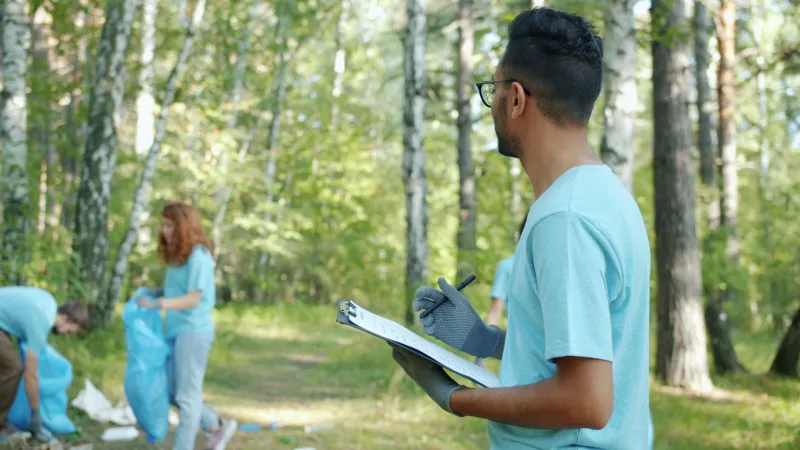
On a cold Saturday in November, the most important piece of kit at a club oval isn’t always the freshest set of tyres. Sometimes it’s a battered microphone, a gaffer-taped cable and a volunteer with a clipboard who knows that car 247 is driven by a joiner from Nuneaton and that his brother-in-law is in the next heat.
Club oval racing has always had a voice. It comes out of a tannoy that may or may not be fully waterproof, across a pit lane that smells of hot oil and chips, and over a crowd that is half-watching the track and half-listening for its own name. The person behind that voice is rarely paid, often self-taught and usually doing three jobs at once. They are part announcer, part historian, part crowd-wrangler and part the reason a quiet heat suddenly feels like it matters.
The Box Above the Pits
At most tracks, commentary comes from a little hut, a portacabin or a raised platform above the pit gate. The view is good. The acoustics are not. There’s a desk that has seen better decades, a set of race sheets, a stopwatch, a flask and a microphone that has been dropped more times than anyone wants to admit.
The commentator’s job starts long before the first green flag. They walk the pits. They read the entry lists. They ask the bloke with the welder whether the yellow car is out or just having its gearbox looked at. They learn who has travelled three hours, who is racing their first meeting and who is on a run of bad luck that everyone is too polite to mention over the PA.
One volunteer at a Midlands shale track describes it as “doing your homework in a room where the homework keeps moving”. Cars change numbers. Drivers swap classes. A junior moves up. A regular brings a different car because the usual one is in pieces. The commentator has to keep all of that in their head, or on a sheet of A4 that will be illegible by heat three.
Learning the Names
Good club commentary is built on names. Not just the headline names, either. The rookie in the ex-Ministox car. The father-and-son pair in the back of the grid. The driver who has spent all week rebuilding a front end and is now trying not to look nervous as they line up.
That information doesn’t arrive by magic. Commentators pick it up from entry lists, pit chat, club stalwarts and the sort of informal network that keeps grassroots racing alive. A spotter on the bank will correct them if they get a car wrong. A mechanic will lean out of a garage and shout the right name. Someone in the crowd will tell them, loudly, that they have mispronounced it.
“You learn quickly that the crowd knows more than you do,” says one commentator who has called everything from hot rods to bangers at a tarmac track in the south-east. “The trick is to sound like you’re in on it, not above it. You’re not the expert. You’re the person holding the thread.”
Making a Heat Feel Like a Final
The best club commentators don’t overhype. They don’t pretend a mid-meeting heat is a world final. What they do is find the story inside it. The battle for third. The car that is faster through the corners but slower off the line. The driver who has been chasing a top-five finish all season and is suddenly, unexpectedly, in one.
They use silence well. They let the crowd hear the engines. They know when to name a driver and when to let the race speak for itself. They also know the difference between a mistake and a disaster — and that a bit of warmth goes further than a hard sell.
A 12-car heat can be thin on paper. On the PA, it becomes a scrap between two drivers who have history, a newcomer trying to hold a line and a backmarker who is not going to make it easy. That is not spin. It is attention. The commentator is simply pointing at what is already there.
The Infrastructure Nobody Budgets For
Club meetings run on volunteers. You see the marshals in orange, the scrutineers with torches and the people selling programmes at the gate. You hear the commentator, but you don’t always see them as part of the same effort.
Yet commentary does real work. It welcomes first-timers. It explains the rules without sounding like a lecture. It keeps the crowd engaged during a delay. It gives sponsors and local businesses a name-check. It turns a car number into a person, and a person into someone the crowd can follow next month.
It also helps the sport hand itself on. A good commentator mentions the junior class, the novice race, the club’s next fixture. They make the whole night feel connected to a season, not just a one-off.
The challenge is that this work is hard to budget for. A borrowed PA and a willing volunteer can carry a meeting, but training and succession are another matter. Clubs need people who can step in when the regular voice is ill, away or simply worn out. That means sharing the mic, encouraging younger volunteers and treating commentary as a role worth learning rather than a job that somebody falls into.
Passing the Mic
There are signs of that happening. At some tracks, younger volunteers are being given a heat here and there, or a spell on the mic during a delay. They learn by doing, with a more experienced voice nearby to correct a name or point out a battle developing in the middle of the pack.
That apprenticeship matters. Club oval racing is full of quiet skills that only get passed on in person. How to read a race sheet. How to spot a driver who is about to make a move. How to keep talking when the result is obvious but the race behind it is not.
The next time you’re at a club oval and the PA crackles into life, look up towards the box. There’s probably someone there with a clipboard, a flask and a slightly worried expression, trying to remember whether car 312 is the one with the new engine or the one that blew one last month. They are not the reason the race happens. But they are part of the reason it feels like a night out rather than a practice session.
Grassroots racing is built on people who turn up and do the unglamorous bits. The voice over the shale is one of them. Give them a wave. They’ve earned it.