Flask, Fixtures and the Long Way Home: A 2027 Short-Track Road Trip Plan
There is a particular kind of optimism that arrives in November. The current season is still settling in your memory, the nights are drawing in, and suddenly next year looks like one long summer of Saturday-night short-track racing. This is how a handful of fixtures turns into a proper 2027 road trip.
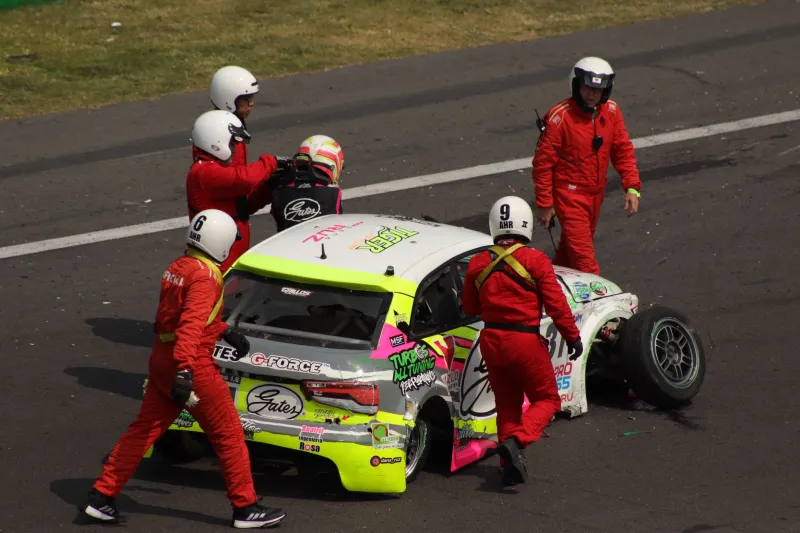
The trick is not to plan every lap. The trick is to plan enough that you actually go, and leave enough room for the British weather, the unexpected detour and the track that runs half an hour late because someone has to retrieve a wheel from the infield.
Start with the fixture list, not the map
It is tempting to pick a route first and then find races to fit it. Do it the other way round. Fixture lists are the skeleton of the season, and grassroots oval racing is gloriously varied. You might find stock cars on shale one weekend, bangers on tarmac the next and a speedway meeting on a Wednesday night that you never knew existed.
Check track websites, social media pages and the fixture pages that pull together local venues. Save the dates early, but expect changes. Grassroots racing is run by people, not algorithms. A meeting can move, a start time can shift, and a track can swap its format at short notice. Build in a little slack and you will be much less grumpy when it happens.
Pick a mix of venues and meeting types
A road trip made of five identical race nights is still a good time, but it is not a proper season. Mix it up.
- Choose one shale or dirt venue and one tarmac track. The racing feels different, the viewing is different and the smell is definitely different.
- Add a speedway night if you can. The pace, the noise and the team atmosphere make it a brilliant contrast to stock car racing.
- Try a smaller club meeting as well as a bigger fixture. Small meetings are where you learn the most and stand closest to the action.
- Include one meeting type you cannot quite explain to your non-racing friends. Bangers, midgets, micros, whatever it is. Confusion is part of the fun.
The aim is not to tick off every track in the country. It is to build a handful of nights that feel like they belong to the same story.
Pack for four seasons in one evening
British short-track weather does not do subtle. You can leave home in sunshine, arrive in drizzle and spend the feature race pretending your waterproof is actually a blanket. Pack accordingly.
A good road-trip kit includes a flask, a waterproof jacket, a spare jumper, sturdy boots, ear defenders for anyone with sensitive ears, a torch, cash for programmes and burgers, and a foldable chair if the track allows it. A blanket lives in the boot permanently. So does a spare pair of socks. You will thank yourself.
Do not forget the boring stuff either: a phone charger, a printed address for the venue and a rough idea of where you are sleeping. Some tracks are near a handy travel lodge. Others are in a field with a very nice view and no signal. Both are part of the experience.
Learn the local etiquette
Every track has its own rhythm. Some are relaxed about where you stand. Others have marked areas, pit rules and a briefing you really should listen to. When in doubt, ask. The person in the high-vis jacket is not there to ruin your evening; they are there to make sure everyone gets one.
A few basics travel well:
- Keep walkways clear and do not stand in front of people who were there first.
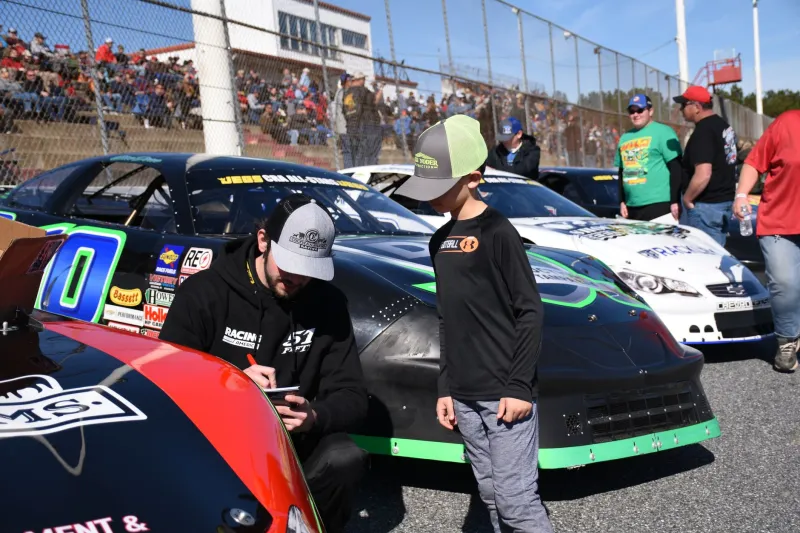
- Ask before wandering into the pits. Access rules vary, and they are there for a reason.
- Respect the marshals and officials. They are volunteers, mostly, and they have seen more than you have.
- Take your rubbish home or put it in the bin. Grassroots tracks are not glamorous, but they are somebody's pride and joy.
- Cheer loudly, complain quietly and never argue with a flag marshal during a race.
Build a route that leaves room for the unexpected
A good short-track road trip is not a military operation. Cluster two or three venues in one part of the country, leave a spare afternoon for a wander, and accept that the best bits often happen off the timetable. A chat in the queue for chips. A look around the pits. A detour to a seaside town because the racing does not start until six.
If you are travelling with friends, agree on the big stuff early: who is driving, who is booking the accommodation and who is in charge of the flask. If you are going alone, that is fine too. Short-track crowds are friendly, and you will almost certainly end up talking to someone about a carburettor you cannot identify.
Make it a season, not a checklist
You do not need to do twenty meetings to have a proper 2027. Five well-chosen nights can be enough. The point is to go, to look closer than you did last year and to come home with a story that starts with: you should have seen the slow corner in the second heat.
So get the flask out, bookmark the fixture pages and start sketching a route. The 2027 season is not here yet, but the planning is half the fun. And if the weather turns, at least you will be the one with dry socks.